
Running Toilet Repair in Fayetteville AR Starts With Knowing What’s Wrong
That hissing sound coming from your bathroom isn’t just annoying — it’s costing you money every single hour it goes unfixed. According to the U.S. Environmental Protection Agency WaterSense program, a running toilet can waste up to 200 gallons of water per day, making it one of the most expensive household leaks you’ll ever ignore.
In Northwest Arkansas, where water rates have climbed steadily alongside population growth in Fayetteville, Rogers, Bentonville, and Springdale, that waste adds up fast. The good news: most running toilets are caused by one of three things, and at least two of them are a straightforward DIY fix.
Here’s how to figure out what’s going on inside that tank — and what to do about it.
The Three Culprits Inside Your Toilet Tank
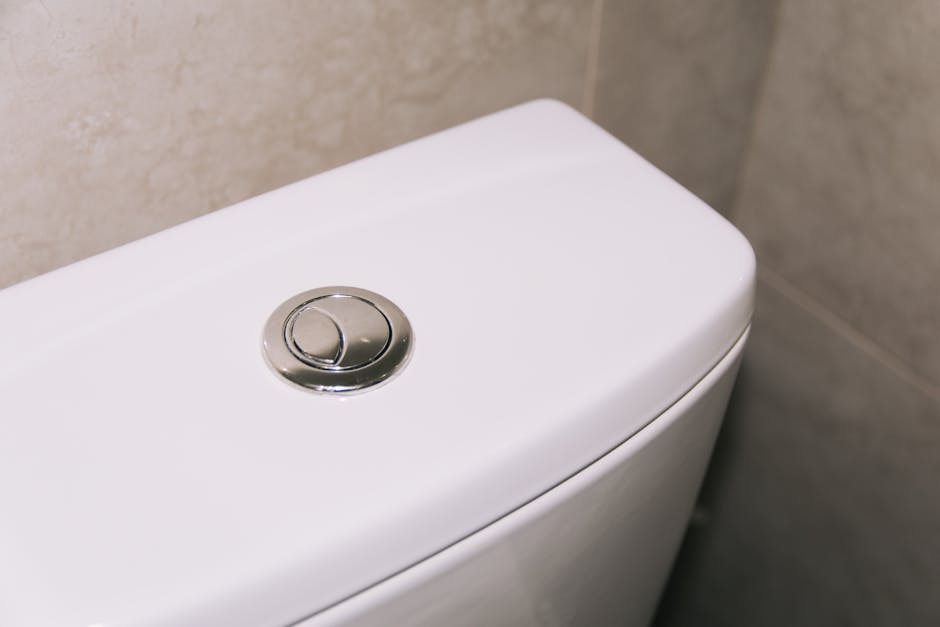
Lift the lid off your toilet tank and set it somewhere safe. You’re looking at three main components, and one of them is almost certainly causing the problem.
The Flapper is the rubber seal at the bottom of the tank. When you flush, it lifts to let water rush into the bowl, then drops back down to seal the tank so it can refill. Over time, flappers warp, crack, or get coated with mineral buildup — especially in areas with hard water like much of NWA. A bad flapper lets water trickle continuously from the tank into the bowl, which is why your toilet runs even when nobody’s touched it.
The Fill Valve controls how the tank refills after a flush. If you hear a steady hissing or the water never seems to fully shut off, a worn or misadjusted fill valve is often the reason. The float (the ball or cup that rides up with the water level) may be set too high, causing water to spill into the overflow tube constantly.
The Flush Valve and Overflow Tube work together to release water during a flush and prevent the tank from overfilling. If water is running into the overflow tube, the tank water level is too high — either from a misadjusted float or a failing fill valve.
Quick Diagnostic Test: Drop a few drops of food coloring into the tank. Don’t flush. Wait 15 minutes. If color appears in the bowl, your flapper isn’t sealing. That’s your culprit roughly 80 percent of the time.
Step-by-Step: How to Replace a Toilet Flapper (The $10 Fix)
If the food coloring test confirmed a bad flapper, here’s how to replace it. This is a beginner-friendly repair — no special tools, no plumbing license required, and the part costs under $10 at any hardware store in Fayetteville or Bentonville.
What you need: Replacement flapper (bring your old one to the store to match the size), rubber gloves, and a towel.
- Shut off the water supply. Look for the shutoff valve on the wall behind the toilet, near the floor. Turn it clockwise until it stops.
- Flush the toilet to empty the tank. Hold the handle down to get as much water out as possible.
- Unhook the old flapper. Most flappers have two ears that hook onto pegs on either side of the overflow tube. Unhook them, then disconnect the chain from the flush handle arm.
- Inspect the flapper seat. Run your finger around the rubber ring at the bottom of the overflow tube. If it’s rough, pitted, or corroded, clean it gently with a cloth. If it’s badly damaged, you may need a flush valve repair kit instead.
- Install the new flapper. Hook the ears onto the pegs, connect the chain to the flush arm, and leave about half an inch of slack in the chain — too tight and the flapper won’t seal; too loose and it may get caught under the flapper.
- Turn the water back on and let the tank fill. Flush once and watch. The flapper should lift cleanly during the flush and drop back to seal completely when done.
- Repeat the food coloring test 15 minutes later to confirm the seal is holding.
Total time: 20–30 minutes. Total cost: under $10. If this fixes it, you just saved yourself a plumber visit and stopped hemorrhaging water.
What the Water Waste Is Actually Costing You
Let’s put real numbers to this. At 200 gallons per day, a running toilet wastes roughly 6,000 gallons per month. At typical water and sewer rates in Fayetteville, that can add $30–$70 or more to your monthly utility bill — just from one toilet that needs a $10 flapper.
| Scenario | Daily Water Waste | Monthly Water Waste | Estimated Monthly Cost |
|---|---|---|---|
| Slow flapper leak | 30–50 gallons | 900–1,500 gallons | $5–$15 |
| Moderate running toilet | 90–100 gallons | 2,700–3,000 gallons | $15–$35 |
| Severe running toilet | 200 gallons | 6,000 gallons | $30–$70+ |
| DIY flapper fix | 0 gallons | 0 gallons | One-time $10 part |
| Professional repair (fill valve or flush valve) | 0 gallons | 0 gallons | $100–$200 one-time |
The EPA estimates that fixing easily corrected household leaks — including running toilets — can save homeowners about 10 percent on their water bills. That math holds up fast when you run it over a full year.
And it’s not just your wallet. Household leaks waste nearly 1 trillion gallons of water annually across the country, with toilet leaks accounting for a significant share of that total. Fixing yours matters locally and nationally.
When Running Toilet Repair Is Not a DIY Job
A flapper swap will solve the problem most of the time. But there are situations where you need a licensed plumber — and trying to DIY those situations can turn a $150 repair into a $500 one.
Cracked toilet bowl or tank. If you see water pooling at the base of your toilet or notice a hairline crack in the porcelain, no internal repair will help. A cracked bowl needs a full toilet replacement.
Internal valve failure. If you’ve replaced the flapper and the toilet still runs, the fill valve itself may be failed or misaligned. Replacing a fill valve requires shutting off the water supply line, disconnecting it, and installing a new valve assembly. It’s doable for experienced DIYers, but if you’re not comfortable working around the supply line connection, a plumber will handle it cleanly in under an hour.
Older Mansfield toilets. Some older Mansfield toilet models use a proprietary tower-style flush valve that doesn’t accept standard replacement parts. If your toilet is a Mansfield made before the mid-2000s and the flush valve is failing, you may need a plumber to source the correct parts or recommend replacement.
Phantom flushing every 20–30 minutes. If your toilet randomly refills as if someone flushed it, that’s a sign of a slow internal leak that’s been going on long enough to fully drain the tank repeatedly. Sometimes this points to a warped flush valve seat that can’t be fixed with a flapper alone.
Any work on supply lines or shutoff valves. If the shutoff valve behind your toilet hasn’t been turned in years, forcing it can cause the valve itself to fail or the supply line to crack. A plumber carries the right parts to deal with that immediately — you might not. If you notice any issues with other plumbing connections while troubleshooting your toilet, our team also handles emergency plumbing situations across Northwest Arkansas when things go sideways fast.
Repair vs. Replace: What Makes Sense for Your Toilet
Sometimes running toilet repair opens a bigger conversation: is this toilet worth fixing at all?
According to Angi, professional toilet repair typically costs $100 to $200, while full toilet replacement runs $224 to $532 including labor. If your toilet is more than 15–20 years old and you’re facing a repair that costs half the price of a new unit, replacement often makes more financial sense.
Here’s why: older toilets use 3.5 to 7 gallons per flush. WaterSense-certified toilets use 1.28 gallons per flush or less — at least 20 percent more efficient than the current federal standard of 1.6 gallons per flush. A household of four can save thousands of gallons per year just by upgrading.
The general rule: if the repair costs less than 50 percent of a new toilet installed, repair it. If you’re looking at repeated repairs, an aging toilet, or visible damage to the porcelain, put that money toward a new WaterSense-certified unit instead.
Plumbers in Arkansas are required to be licensed through the Arkansas Department of Health Plumbing Program, so when you hire a local plumber to handle a toilet replacement or complex repair, you’re protected by state code standards — not just a handshake promise.
Whether it’s a toilet repair or something bigger like a water heater issue discovered during your inspection, our team handles it all. Check out our guide to water heater repair and replacement in NWA if you’ve noticed other plumbing problems around the house. And if your slow drains or gurgling sounds are pointing toward something deeper, our drain and sewer solutions in Fayetteville covers everything from drain cleaning to sewer line repair.
A running toilet is one of those problems that rewards fast action. The fix is usually simple. The cost of waiting is not. If you’ve diagnosed yours and need a hand — or if you’d rather just have a licensed NWA plumber handle the whole thing — we’re ready.
Call A Plus Plumbing of NWA at (479) 305-9107 or request service online for same-day availability in Fayetteville, Rogers, Bentonville, and Springdale.