Water Heater Repair or Replacement in Northwest Arkansas: Know the Signs Before You Spend
A cold shower at 6 a.m. is not the way you want to find out your water heater is failing. But the good news is: most water heaters give you warning signs well before they quit completely. Knowing what to look for — and what those signs mean for your wallet — can save you from an emergency call and a rushed decision.
This guide covers the seven warning signs every NWA homeowner should know, a clear cost breakdown for repair versus replacement, and a straightforward decision framework for whether a tankless unit makes financial sense for your home in Fayetteville, Rogers, Bentonville, or Springdale.
7 Signs Your Water Heater Is Telling You Something Is Wrong
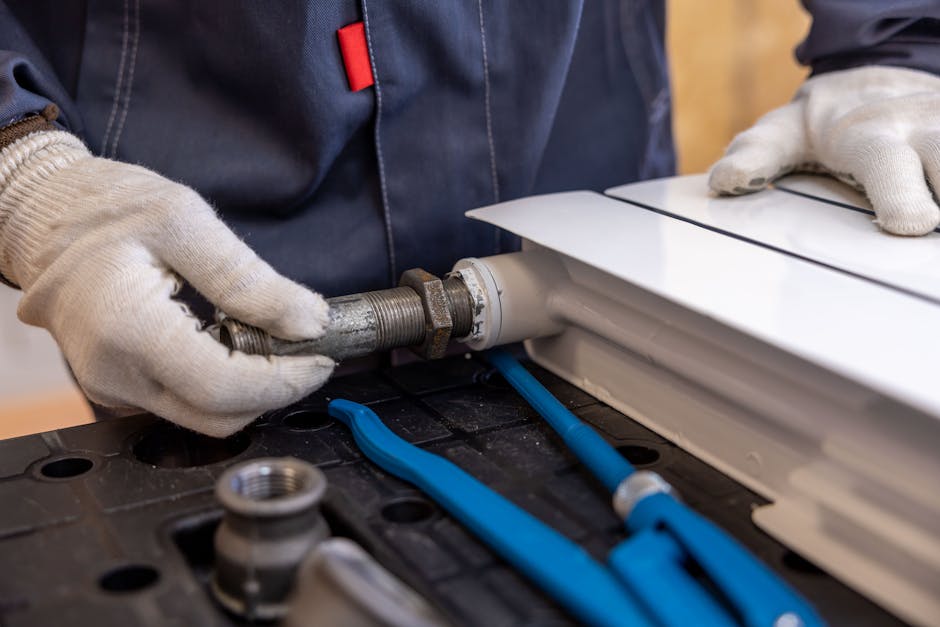
Not every symptom means you need a full replacement. Some are simple, inexpensive fixes. Others mean the unit is done. Here’s how to read what your water heater is telling you.
1. You’re running out of hot water faster than usual. Sediment buildup at the bottom of the tank reduces heating capacity. This is often fixable with a flush — but if the tank is already over 10 years old, it may not be worth the service call.
2. The water looks rusty or smells like sulfur. Discolored water usually means corrosion inside the tank or a failing anode rod. A new anode rod is a cheap fix — usually under $200 installed. But rust inside the tank itself means replacement is coming.
3. You hear popping, banging, or rumbling sounds. That noise is hardened sediment being forced around by heating water. A flush may quiet it temporarily, but in an aging tank, the damage to the lining is often already done.
4. There’s moisture or pooling water around the base. Small drips from fittings or the pressure relief valve can be repaired. Water pooling under the tank is a different story — that typically signals a crack in the tank itself. At that point, replacement is the only safe option. If you’re seeing active leaking, treat it as an emergency plumbing situation and call immediately.
5. Your energy bills are creeping up without explanation. As water heaters age and accumulate sediment, they work harder to heat the same amount of water. According to the U.S. Environmental Protection Agency WaterSense program, water heating accounts for roughly 18% of a home’s total energy use — so an inefficient unit has a real impact on your monthly bill.
6. The pilot light keeps going out or the burner won’t stay lit. Thermocouple failures and ignition issues are common and often repairable. But if the same component fails repeatedly, you’re throwing money at a unit on its way out.
7. Your unit is more than 10 years old. Age alone isn’t a death sentence, but it changes the math on every repair. According to the U.S. Department of Energy, conventional tank water heaters typically last 8 to 12 years. If yours is past that window and needs a repair, replacement usually makes more financial sense.
| Symptom | Likely Cause | Repair or Replace? |
|---|---|---|
| Running out of hot water faster | Sediment buildup | Repair if unit is under 8 years old |
| Rusty or discolored water | Failing anode rod or tank corrosion | Repair (rod) or Replace (tank rust) |
| Popping or rumbling sounds | Hardened sediment | Replace if unit is over 10 years old |
| Water pooling under the tank | Tank crack or seal failure | Replace immediately |
| Rising energy bills | Reduced efficiency with age | Consider replacement or tankless upgrade |
| Pilot light keeps going out | Thermocouple failure | Repair if isolated, Replace if recurring |
| Unit is 10+ years old | End of typical service life | Replace proactively |
What Does Water Heater Repair and Replacement Actually Cost in NWA?
Let’s talk real numbers. Prices vary by unit size, fuel type, and installation complexity — but here’s what NWA homeowners should budget for each scenario.
Repairs: $150–$500. Most common repairs — thermocouple replacement, pressure relief valve, anode rod, thermostat — fall in this range. According to Angi’s 2024 cost data, the national average for water heater repair sits around $350, with a typical range of $150 to $700 depending on the part and labor involved. Minor fixes on a relatively new unit are almost always worth doing.
Traditional tank replacement: $900–$1,800 installed. This covers a standard 40- to 50-gallon gas or electric unit with professional installation. The wide range reflects differences in unit capacity, brand, and whether any code upgrades are needed on older homes. For most NWA homeowners replacing a like-for-like tank unit, budget $1,000–$1,400 as a realistic midpoint.
Tankless installation: $2,500–$4,500 installed. Angi’s 2024 tankless cost guide puts total installed costs between $1,000 and $3,500 nationally, but gas tankless units in NWA — which often require dedicated gas line upgrades and updated venting — tend to land at the higher end of that range. Expect $2,500–$4,500 as a realistic all-in number for most residential installations here.
The rule of thumb used by most licensed plumbers: if the repair cost exceeds 50% of what a new unit would cost, and your current unit is more than 8 years old, replace it. You’ll stop throwing money at a depreciating appliance and get a warranty reset to boot.
For a detailed look at your specific situation, visit our Water Heater Repair & Replacement page or give us a call for a no-pressure estimate.
Tank vs. Tankless: The Real Decision Framework for NWA Homeowners
Tankless water heaters get a lot of buzz — and the energy savings are real. But they’re not the right fit for every home or every budget. Here’s how to think through it honestly.
The efficiency case for going tankless. The U.S. Department of Energy reports that tankless (on-demand) water heaters are 24–34% more energy efficient than conventional tank units in homes using 41 gallons or less of hot water per day. For homes with higher hot water demand, efficiency gains are still meaningful at 8–14%. Since water heating makes up roughly 18% of your home’s energy costs, those percentages translate into real annual savings.
The math for an NWA household. Say your current water heating costs you $600 per year (a reasonable estimate for a gas tank unit in a family home). A 25% efficiency gain saves you $150 annually. A tankless unit that costs $1,500 more than a tank replacement would pay for itself in 10 years — and tankless units last more than 20 years with proper maintenance, according to the DOE. A traditional tank, by comparison, may need replacing again in 8–12 years.
When tankless makes sense for NWA homes:
- Your current tank is at end of life and you’re already writing a check for replacement
- You have a natural gas line (gas tankless units deliver higher flow rates and lower operating costs than electric)
- You plan to stay in the home 8+ more years to recoup the upfront cost
- You’re tired of running out of hot water during back-to-back showers
- You want to free up mechanical room space
When a new tank unit is the smarter call:
- Your budget for replacement is tight right now
- Your home runs on electric only and adding a gas line isn’t feasible
- You’re planning to sell in the next few years and won’t recoup the premium
- Your household’s hot water demand is low (one or two people)
There’s no universally correct answer — it depends on your home, your gas supply, and how long you’re staying. A licensed plumber can walk you through both options with real numbers, not a sales pitch.
Permits and Licensing: What NWA Homeowners Need to Know
This part doesn’t get enough attention, and it matters — especially if you ever need to sell your home or file an insurance claim.
In Fayetteville and throughout Benton County, water heater replacement is a permitted job. Your city’s building department requires an inspection to confirm that installation meets current Arkansas plumbing code — including proper venting, seismic strapping (yes, even in Arkansas), and pressure relief valve discharge routing.
Beyond permits, the person doing the work must be licensed. The Arkansas State Board of Contractors requires all plumbers performing water heater installation and repair to hold a state-issued license — either as a journeyman or master plumber. Hiring an unlicensed handyman to save a few hundred dollars can void your equipment warranty and create liability issues if something goes wrong.
At A Plus Plumbing of NWA, we are fully licensed and insured, and we pull the required permits so you’re covered. It’s not a formality — it protects your home and your investment.
If you’re also dealing with slow drains or backup issues that showed up alongside your water heater problems, it’s worth having a plumber check your drain lines at the same time. Our team handles drain cleaning and sewer line services across NWA as well — one call can cover the whole job.
How to Make the Final Call: A Simple Repair-vs-Replace Checklist
Still not sure? Run your situation through this checklist before you spend a dollar.
Lean toward repair if:
- The unit is under 8 years old
- The repair is a single, identifiable part (thermocouple, pressure valve, anode rod)
- The repair cost is less than 40–50% of a new unit
- There are no signs of tank corrosion or active leaking at the base
Lean toward replacement if:
- The unit is 10 years or older
- You’ve repaired it more than once in the past two years
- There’s rust in the water or visible corrosion on the tank
- Water is pooling at the base
- The repair quote is more than half the cost of a new unit
Consider tankless if:
- You’re already replacing the unit
- You have natural gas service and can support the BTU load
- Long-term energy savings and a 20+ year lifespan matter to you
If you’re still on the fence, an in-person assessment from a licensed NWA plumber takes the guesswork out of it. We’ll look at your unit, your gas line setup, your household size, and give you a straight answer — not a one-size-fits-all recommendation.
Call A Plus Plumbing of NWA at (479) 305-9107 or request service online for same-day availability. We serve Fayetteville, Rogers, Bentonville, Springdale, and the surrounding NWA communities — with upfront pricing, licensed technicians, and no surprise charges when the job is done.