
Backflow Prevention in Northwest Arkansas: What It Is, Why It Matters, and When You Need It
Most homeowners never think about backflow — until their tap water smells wrong, the city sends a violation notice, or an inspector flags their irrigation system during a commercial property review. Backflow is a real contamination risk, and in Northwest Arkansas, there are specific legal requirements around preventing it. Here’s what you need to know.
What Is Backflow and Why Is It a Health Risk in NWA?
Backflow happens when water flows in the wrong direction through your plumbing — pulling contaminated water back into the clean drinking water supply. It sounds unlikely, but it happens more often than most people realize, especially when there’s a sudden drop in water pressure from a main break, heavy fire hydrant use, or a burst pipe nearby.
The risk isn’t just theoretical. According to the U.S. Environmental Protection Agency, backflow from cross-connections is one of the leading causes of waterborne disease outbreaks in community water systems across the United States. In practical terms, that means fertilizer from your irrigation system, pool chemicals, or even sewage could reverse-flow into the same pipes delivering water to your faucet.
Northwest Arkansas is growing fast. Fayetteville, Rogers, Bentonville, and Springdale have all seen significant development in both residential and commercial construction over the past decade. More connections to the municipal water system means more potential cross-connection points — and a greater need for properly installed, tested backflow prevention.
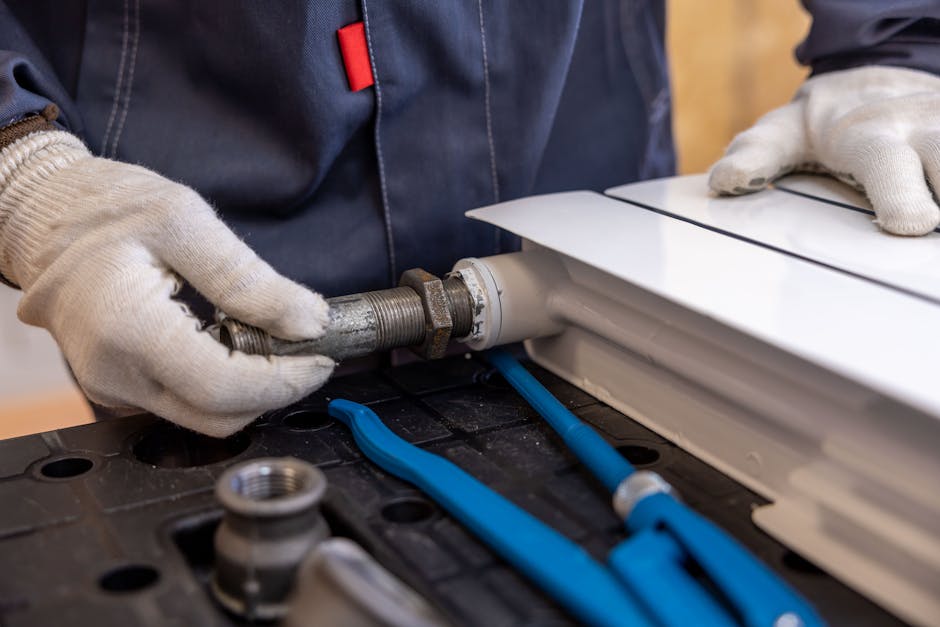
The Three Main Types of Backflow Preventers (And Where Each One Is Used)
Not all backflow preventers are the same. The right device depends on the hazard level, the type of connection, and local code requirements. Here’s a plain-language breakdown of the three most common types you’ll encounter in NWA.
Pressure Vacuum Breaker (PVB): The most common device for residential irrigation systems. A PVB uses a spring-loaded check valve and an air inlet valve to stop backflow. It must be installed at least 12 inches above the highest downstream outlet. These are cost-effective and widely used on lawn sprinkler systems throughout Fayetteville and Bentonville neighborhoods.
Double Check Valve Assembly (DCVA): Used for moderate-hazard applications like fire suppression systems, lawn irrigation below grade, and some commercial uses. It contains two independent spring-loaded check valves and can be installed underground. It does not protect against high-hazard contaminants like sewage or chemicals.
Reduced Pressure Zone (RPZ) Assembly: The highest level of protection available. RPZ devices are required where the potential contamination is severe — think commercial facilities, chemical injection systems, hospitals, or any connection where hazardous materials could enter the water supply. An RPZ uses two check valves and a relief valve that opens if either check valve fails, dumping water to prevent backflow.
| Device Type | Best For | Hazard Level | Approx. Install Cost | Annual Testing Required? |
|---|---|---|---|---|
| Pressure Vacuum Breaker (PVB) | Residential irrigation | Low–Moderate | $135–$400 | Yes (commercial/irrigation accounts) |
| Double Check Valve (DCVA) | Fire suppression, subsurface irrigation | Moderate | $300–$600 | Yes |
| Reduced Pressure Zone (RPZ) | Commercial, chemical/hazardous connections | High | $600–$1,000+ | Yes (mandatory) |
Cost estimates are based on national averages. According to Angi (HomeAdvisor), the average cost to install a backflow preventer in the U.S. ranges from $135 to $1,000, with RPZ assemblies and complex commercial installations landing at the higher end. Local labor rates and the complexity of your existing plumbing setup will affect your final quote.
Who Requires Backflow Prevention in Northwest Arkansas — and What the Code Actually Says
Backflow prevention isn’t optional in NWA — it’s law. The Arkansas Department of Health — Plumbing and Natural Gas Division requires backflow prevention assemblies on all commercial irrigation systems and any potable water connection that presents a contamination hazard, in full compliance with the Arkansas State Plumbing Code.
At the municipal level, requirements can be even more specific. The City of Fayetteville Water and Sewer Department requires annual testing of all backflow prevention assemblies by a state-certified backflow assembly tester for commercial and irrigation accounts connected to the municipal system. If you have an irrigation account in Fayetteville, this applies to you — missing your annual test can result in service interruption.
Rogers, Bentonville, and Springdale utilities follow similar frameworks under state code and their own cross-connection control programs. If you’re a property manager or business owner in Benton County, confirm your specific requirements with your local utility provider — but assume annual testing is required and plan accordingly.
The International Association of Plumbing and Mechanical Officials (IAPMO) Uniform Plumbing Code also requires backflow prevention wherever a non-potable water source could contact a potable supply — a standard that many Arkansas municipalities, including those in NWA, have formally adopted. New construction and major renovation projects are nearly always subject to these requirements at the permit stage.
Where Backflow Preventers Are Typically Required in NWA Homes and Businesses
You might be surprised by how many connections on a typical NWA property require a backflow preventer. Here are the most common situations where one is required — or strongly recommended:
Irrigation and sprinkler systems: Any in-ground irrigation system connected to municipal water needs a backflow preventer. Fertilizers, pesticides, and soil bacteria are all potential contaminants if backflow occurs. This is the most common residential application in NWA, where lawn irrigation is standard on most newer homes.
Swimming pools and hot tubs: Pool fill lines connected to the main water supply require protection. Pool chemicals — especially chlorine and algaecides — are serious contaminants if they reverse into the drinking water supply.
Commercial properties: Restaurants, car washes, medical facilities, industrial buildings — nearly all commercial connections in NWA require tested backflow assemblies. The risk profile is higher, the code requirements are stricter, and the penalties for non-compliance are real.
Boilers and radiant heat systems: Hydronic heating systems that use treated or chemically conditioned water need protection at the makeup water connection.
Hose bibs: Outdoor faucets where a garden hose could be submerged in a bucket of chemicals, a pet bowl, or a pool need at minimum an atmospheric vacuum breaker. These are simple and inexpensive but often overlooked.
If your property has any of these connections and you’re not sure whether you’re protected, that’s a conversation worth having before the city flags it. Our team handles drain and sewer solutions throughout Fayetteville and NWA and can assess your entire plumbing system while we’re on-site.
Annual Testing Requirements — What NWA Property Owners Need to Know
Installing a backflow preventer is only half the job. Annual testing is required to confirm the device is functioning correctly. Backflow assemblies have internal seals and springs that wear over time — a device that looks fine from the outside may have a failed check valve that offers zero protection.
In Fayetteville, annual testing must be performed by a state-certified backflow assembly tester and results submitted to the city’s Water and Sewer Department. Failing to test on schedule can result in a notice of violation and, ultimately, water service interruption. The same general framework applies in Rogers, Bentonville, and Springdale under Arkansas state code.
Testing typically costs between $50 and $150 depending on the device type and location. If the device fails the test, repairs or replacement are required before the property passes — and the clock on the next annual test starts from there. Budgeting for both installation and annual testing is important if you’re a property manager overseeing multiple accounts in NWA.
The EPA WaterSense program identifies cross-connection control programs — including mandatory backflow preventer installation and annual testing — as a critical component of protecting public drinking water supplies. This isn’t bureaucratic overhead. It’s the mechanism that keeps contaminated water out of the supply that thousands of NWA families drink every day.
What It Costs to Install or Test a Backflow Preventer in NWA
Installation costs in Northwest Arkansas generally track with national averages, adjusted for local labor rates. A basic PVB for a residential irrigation system typically runs $135–$400 installed. A double check valve assembly for a commercial or subsurface application runs $300–$600. An RPZ assembly for a high-hazard commercial connection can run $600–$1,000 or more, depending on pipe size and accessibility.
Annual testing adds $50–$150 per device per year. If a repair is needed — a failed check valve, worn seal, or damaged relief valve — those parts and labor are on top of the testing fee. Addressing small failures quickly is almost always less expensive than a failed annual inspection that requires emergency repairs before a utility compliance deadline.
If you’re planning a new irrigation system, a pool, or any commercial plumbing project in NWA, backflow prevention should be budgeted from day one. A licensed plumber will pull the right permit, install the code-compliant device, and set you up for annual testing compliance going forward. Our team also handles water heater repair and replacement in NWA and can often combine visits to minimize your service calls.
If a backflow event has already occurred — or you’re dealing with a water quality concern that could indicate cross-contamination — don’t wait. Reach out for emergency plumbing service in Northwest Arkansas right away. Waterborne contamination is a same-day problem, not a wait-and-see situation.
Call A Plus Plumbing of NWA at (479) 305-9107 or request service online for same-day availability. Whether you need a backflow preventer installed, an annual test scheduled, or a full cross-connection assessment on your NWA property, our licensed and insured team is ready to help — with upfront pricing and no surprises.