

Toilet Installation in Fayetteville AR: What NWA Homeowners Actually Need to Know
Your toilet runs constantly. Or it rocks when you sit down. Or it’s 20 years old and you’re tired of calling for repairs every few months. Whatever brought you here, you’re asking the right question: is it time to replace it, and what will toilet installation in Fayetteville AR actually cost you?
This guide covers the full picture — when to replace versus repair, which toilet type fits your bathroom, what a licensed plumber does during installation, and what you should expect to pay in Northwest Arkansas. No guesswork, no vague estimates.
Repair or Replace? Five Signs It’s Time for a New Toilet
Not every toilet problem means you need a full replacement. A running toilet, for example, is often a flapper or fill valve issue — a straightforward fix you can read more about on our emergency plumbing guide for Northwest Arkansas homeowners. But some problems point clearly toward replacement.
Age over 20–25 years. Toilets can last decades, but older models use 3.5 to 7 gallons per flush — two to five times more water than current WaterSense-certified models. If your toilet predates 1994, it almost certainly isn’t meeting the federal 1.6-gallon standard, let alone today’s efficient 1.28-gallon benchmark.
Cracks in the porcelain. Hairline cracks in the bowl or tank aren’t cosmetic issues — they’re structural ones. A cracked bowl can leak onto your subfloor without visible pooling, causing hidden water damage. Once you see a crack, replacement is the only reliable fix.
Constant running water. A toilet that won’t stop running wastes hundreds of gallons a week. If you’ve already replaced the flapper, fill valve, and float and it still runs, the problem may be a warped flush valve seat or a deteriorated tank — both signs the unit has reached the end of its useful life. Check our page on running toilet repair in Fayetteville AR if you’re not sure whether repair is still worth attempting.
A wobbly base. Some rocking is a loose bolt — a quick tighten fixes it. But if the toilet wobbles because the floor flange is damaged or the subfloor underneath has rotted from a slow leak, you’re looking at a larger repair that almost always includes a new toilet as part of the job.
Frequent clogs and poor flush performance. One or two clogs a year is normal. If you’re reaching for the plunger weekly, your toilet’s internal trap or jet holes may be degraded beyond what cleaning can fix. Mineral buildup from hard NWA water accelerates this in older units.
Choosing the Right Toilet: Standard, Dual-Flush, Comfort Height, and More
Walk into any plumbing supply house and you’ll find dozens of options. Here’s what actually matters for most Fayetteville-area homeowners.
Standard two-piece toilets are the most common and most affordable. The tank and bowl are separate units, which makes them easier to ship and repair. They work well in any bathroom and are the baseline for most replacement jobs.
One-piece toilets have the tank and bowl fused together. They’re easier to clean (no gap between tank and bowl), slightly more expensive, and tend to have a sleeker profile. They’re popular in master bathrooms and remodels.
Elongated bowls are about two inches longer than round bowls and are generally considered more comfortable for adults. If your existing rough-in allows it — and most NWA homes built after the 1980s do — elongated is worth the minor price difference.
Comfort height toilets (also called ADA-height or chair-height) sit at 17–19 inches from floor to seat, roughly the height of a standard chair. Standard toilets are 15–16 inches. Comfort height is easier on knees and backs, and is now the default choice for most homeowners replacing a toilet in a main bathroom.
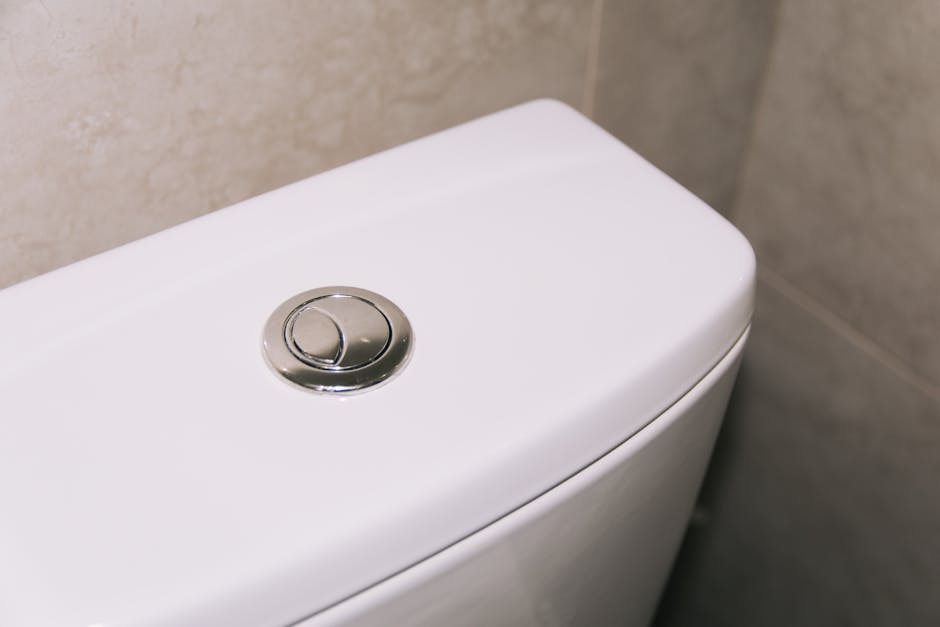
Dual-flush toilets offer two flush options — a lower-volume flush for liquid waste and a full flush for solid waste. EPA WaterSense-labeled toilets use 1.28 gallons per flush or less, which is at least 20 percent more efficient than the 1.6-gallon federal standard. Dual-flush models take this even further on half-flush cycles.
Wall-hung toilets are mounted to the wall with the tank concealed inside the wall cavity. They’re a premium option — easier to clean around, great for small bathrooms, and modern-looking — but they cost significantly more to install and require a carrier frame inside the wall.
| Toilet Type | Key Feature | Best For | Estimated Installed Cost (NWA) |
|---|---|---|---|
| Standard Two-Piece | Separate tank and bowl | Budget-conscious replacements | $200–$350 |
| One-Piece | Fused tank and bowl | Master baths, remodels | $300–$500 |
| Comfort Height | 17–19″ seat height | Adults, accessibility needs | $280–$450 |
| Dual-Flush | Two flush volumes | Water savings, efficiency | $325–$520 |
| Wall-Hung | Tank inside wall cavity | Modern design, small bathrooms | $500–$800+ |
What Toilet Installation in Fayetteville AR Actually Costs
According to Angi’s 2024 toilet installation cost data, the national average for a standard toilet installation including labor runs from $224 to $532, with most homeowners paying around $372. In Northwest Arkansas, expect prices in the $200–$600 range depending on the toilet you choose and the complexity of the job.
Here’s how the cost breaks down:
- Toilet unit: $80–$400+ depending on type and brand. A builder-grade two-piece runs $80–$150. A comfort-height WaterSense model from a brand like Kohler or American Standard typically runs $150–$300. Premium one-piece and smart toilets go higher.
- Labor: Most licensed plumbers in NWA charge $100–$200 for a straightforward swap — remove old toilet, set new toilet, connect supply line, test for leaks.
- Materials: A new wax ring, closet bolts, and supply line usually add $15–$30 to the job. These should always be replaced during installation — never reuse an old wax ring.
- Add-ons: If the floor flange is damaged, the shutoff valve needs replacement, or there’s subfloor damage from a prior leak, expect additional charges. Your plumber should identify these before work begins and give you an updated quote.
For a broader look at what licensed plumbing work costs across the region, see our full breakdown of plumber costs in Northwest Arkansas.
A Plus Plumbing of NWA uses upfront, flat-rate pricing. You’ll know the cost before anyone picks up a wrench.
What a Licensed Plumber Does During Toilet Installation — Step by Step
A standard toilet replacement takes most licensed plumbers 1–2 hours. Here’s what happens during that time.
Shutoff and drain. The plumber turns off the water supply at the shutoff valve behind or beside the toilet, flushes to empty the tank, and uses a sponge or wet-vac to remove remaining water from the bowl and tank. This prevents spillage during removal.
Disconnect and remove. The supply line is disconnected, the tank bolts are removed (on two-piece models), and the closet bolts at the base are unscrewed. The old toilet is lifted off the flange and removed from the bathroom. Old wax ring material is scraped clean from the flange.
Flange inspection. Before setting the new toilet, a good plumber checks the floor flange for cracks, corrosion, or damage. This is a critical step that DIYers often skip. A damaged flange leads to leaks, rocking, and sewer gas intrusion — problems that compound quickly.
Set and seal. New closet bolts are installed in the flange. A new wax ring is placed on the flange or attached to the toilet horn (depending on toilet type). The new toilet is carefully lowered onto the flange, aligned, and pressed firmly to compress the wax seal. Bolts are hand-tightened, then snugged — never overtightened, which can crack the porcelain base.
Connect and test. The supply line is connected to the fill valve. The shutoff is turned on, the tank fills, and the plumber flushes multiple times while checking the base, supply connection, and tank bolts for any sign of leakage. The toilet is rocked gently to confirm it doesn’t move.
Disposal. Your old toilet is hauled away. You shouldn’t have to deal with it.
In Arkansas, this work must be performed by a licensed plumber. The Arkansas Department of Health’s Licensed Plumber Program requires plumbers to pass a state exam and meet experience requirements before performing installation work — which means licensing is your assurance that the person setting your toilet knows what they’re doing and is accountable if something goes wrong.
The Real Savings Case for a New Toilet in NWA
Beyond fixing a broken fixture, replacing an older toilet is one of the highest-return water efficiency upgrades a homeowner can make. According to the EPA WaterSense program, replacing older inefficient toilets with WaterSense-labeled models can save a household more than $140 per year in water costs — and over $2,900 over the toilet’s lifetime.
That matters in NWA. Fayetteville and Bentonville water rates have increased steadily alongside regional population growth. If you’re running a 3.5-gallon-per-flush toilet from the early 1990s, you’re paying two to three times more per flush than you need to.
Toilets are also the single largest water user in the home. The EPA estimates that toilets account for nearly 30 percent of a home’s total indoor water consumption. Upgrading isn’t just about the fixture — it’s about your water bill every month for the next 20 years.
If you’re also experiencing drain slowdowns or backup issues in the same bathroom, it may be worth having a plumber assess the drain line during the same visit. Our team handles full drain and sewer services across Northwest Arkansas, and catching a partial clog before a new toilet goes in is always smarter than discovering it after.
Schedule Toilet Installation in Fayetteville AR Today
Whether you’re replacing a 25-year-old builder-grade toilet, upgrading to a comfort-height model, or dealing with a cracked bowl that can’t wait, A Plus Plumbing of NWA handles toilet installation across Fayetteville, Rogers, Bentonville, and Springdale. Our team is licensed, insured, and gives you a clear price before we start. No surprises on the invoice.
Call A Plus Plumbing of NWA at (479) 305-9107 or request service online for same-day availability. We’ll get it done right — and we’ll haul away the old toilet when we’re finished.